
Rotator Cuff Tears: Do I Need Surgery or Can It Heal on Its Own?
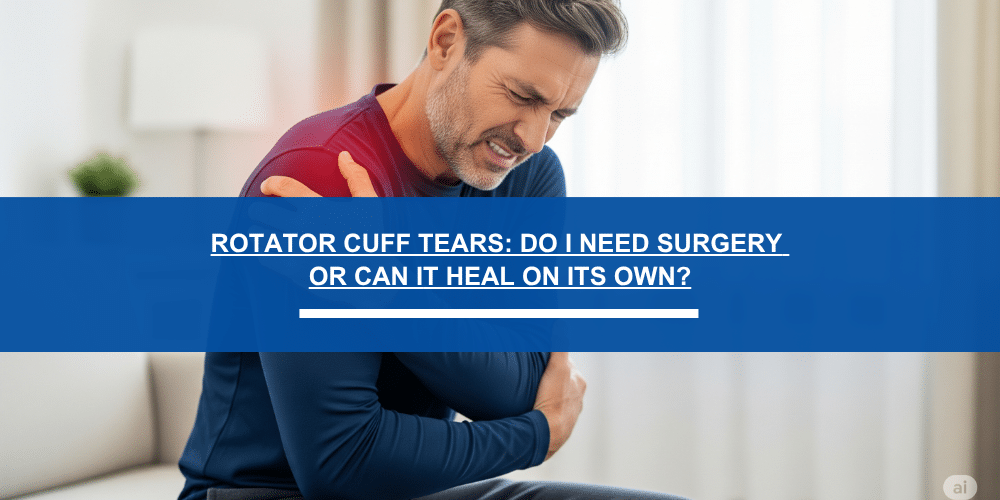
Shoulder pain can sneak up slowly or strike suddenly—especially if you’re active, over 40, or have a job that involves heavy lifting. One of the most common culprits? A rotator cuff tear.
But not every tear needs surgery. So how do you know when it’s time to consider it?
What Is the Rotator Cuff?
The rotator cuff is a group of four muscles and tendons that keep your shoulder stable and allow you to lift and rotate your arm.
When one or more tendons are torn—either from injury or wear and tear—you may notice:
- Pain at night or when lifting overhead
- Weakness in the shoulder
- A clicking or catching sensation
- Limited range of motion
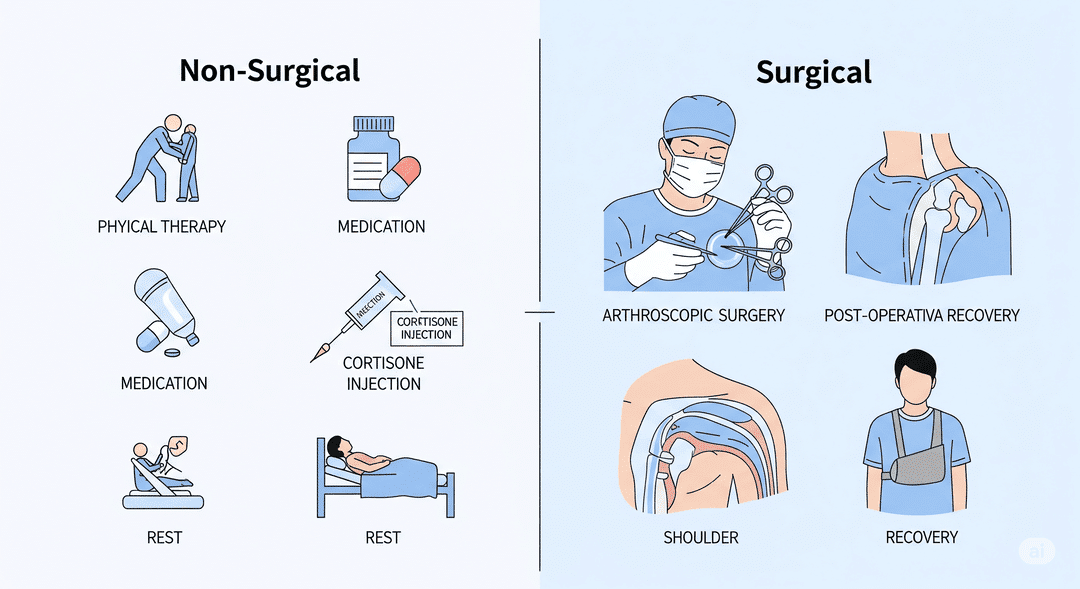
Non-Surgical Treatment Options
Many partial tears or less severe injuries can improve with:
- Physical therapy
- Anti-inflammatory medications
- Cortisone injections
- Activity modification
These options often offer relief within weeks—especially if the tear is mild and strength can be restored.
When Surgery Is the Right Choice
Your orthopaedic surgeon may recommend surgery if:
- The tear is full-thickness or retracted
- You’ve tried conservative care with little improvement
- You have significant weakness or loss of function
- You’re active and need full shoulder strength
Most rotator cuff repairs are done arthroscopically and have excellent outcomes when caught early.
Take Action Early
Bottom line: Don’t wait on shoulder pain—early evaluation gives you the best chance at a full recovery, whether or not surgery is needed.
Ready to get relief from shoulder pain? Book a consultation with City Orthopaedics & Spine Medicine today.
Frequently Asked Questions
Can a rotator cuff tear heal without surgery?
Yes, many partial rotator cuff tears can heal or improve with conservative treatments like physical therapy, medication, and rest—especially if caught early.
How do I know if I need surgery for a rotator cuff tear?
If you have a full-thickness tear, continued weakness, or have not improved after months of non-surgical treatment, surgery may be recommended by your orthopaedic surgeon.
What is the recovery time after rotator cuff surgery?
Recovery can take 4 to 6 months, depending on the severity of the tear and your adherence to physical therapy. Most patients regain full strength with proper care.
Is rotator cuff surgery performed arthroscopically?
Yes, most rotator cuff surgeries are minimally invasive and performed arthroscopically, which helps reduce pain and speeds up recovery time.
What are the signs of a rotator cuff tear?
Common signs include pain at night, shoulder weakness, clicking sounds during movement, and limited arm mobility.