
Relieving Shoulder Pain: Orthopedic Solutions for Shoulder Injuries and Conditions
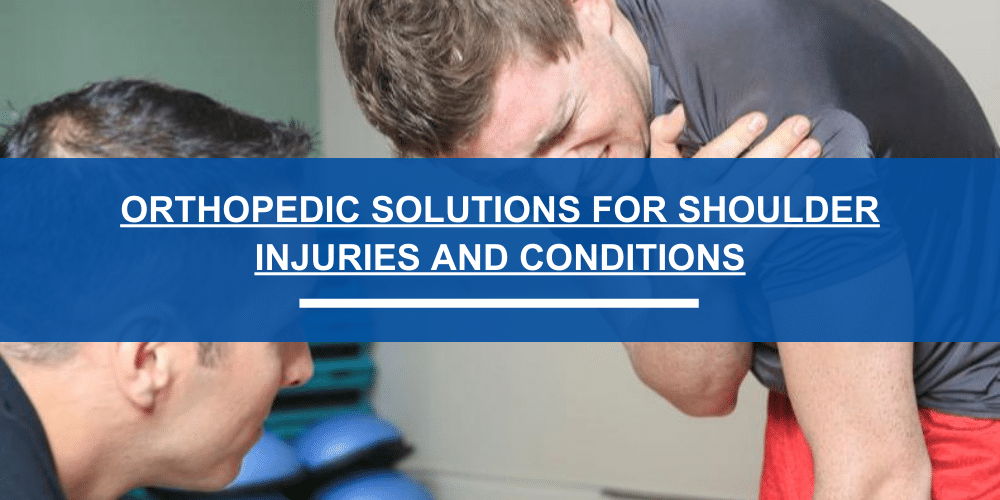
Shoulder pain is a common issue that can arise from various causes, including injuries, arthritis, or simple wear and tear. Because of its wide range of motion, the shoulder is vulnerable to damage, but with the right orthopedic care, many shoulder issues can be effectively managed or resolved. In this article, we’ll explore common shoulder conditions, treatment options, and tips for long-term shoulder health.
Common Causes of Shoulder Pain
The shoulder joint is complex, made up of bones, muscles, ligaments, and tendons that work together to provide stability and movement. Here are some common conditions that can lead to shoulder pain:
- Rotator Cuff Injuries: The rotator cuff consists of four muscles and tendons that stabilize the shoulder joint. Injury or tear to the rotator cuff is one of the most frequent causes of shoulder pain, often due to repetitive motions or trauma.
- Shoulder Impingement: Shoulder impingement occurs when the rotator cuff tendons are pinched or compressed as they pass through the shoulder joint. This can result in pain and limit movement, especially during overhead activities.
- Frozen Shoulder (Adhesive Capsulitis): This condition causes the shoulder to stiffen and limit its range of motion. Frozen shoulder develops gradually and can be a result of injury, surgery, or even prolonged immobility.
- Osteoarthritis: Arthritis in the shoulder joint can occur due to age or injury. Osteoarthritis results in the breakdown of cartilage, leading to pain, swelling, and reduced motion.
- Shoulder Dislocation: A dislocation happens when the upper arm bone pops out of the shoulder socket. This can cause pain, weakness, and a sense of instability.
Orthopedic Treatments for Shoulder Pain
Orthopedic specialists use a variety of methods to diagnose and treat shoulder pain. The right treatment depends on the underlying cause of pain, severity, and individual patient needs. Here are some of the most effective treatments for shoulder conditions:
1. Conservative Treatments
- Physical Therapy: Physical therapy is a cornerstone of shoulder care, often focusing on exercises to improve flexibility, strengthen surrounding muscles, and restore range of motion.
- Rest and Activity Modification: Reducing or modifying activities that strain the shoulder can help relieve pain and allow healing.
- Medications: Nonsteroidal anti-inflammatory drugs (NSAIDs) like ibuprofen can reduce pain and inflammation in many shoulder conditions.
- Corticosteroid Injections: For shoulder pain due to inflammation, corticosteroid injections can provide temporary relief by reducing swelling in the joint.
2. Minimally Invasive Procedures
- Arthroscopic Shoulder Surgery: Arthroscopy is a minimally invasive surgical technique that uses a small camera and instruments inserted through tiny incisions. It’s often used for rotator cuff repairs, impingement syndrome, and labral tears.
- Platelet-Rich Plasma (PRP) Therapy: PRP therapy involves using a concentration of the patient’s own platelets to promote healing in the shoulder. While still being researched, PRP therapy has shown promise for tendon and muscle repair.
3. Surgical Options
- Rotator Cuff Repair: For severe tears, orthopedic surgeons can repair the rotator cuff, either through arthroscopic or open surgery, depending on the size and complexity of the tear.
- Shoulder Replacement Surgery: In cases of severe arthritis or irreparable rotator cuff tears, shoulder replacement surgery may be recommended. This involves replacing damaged parts of the shoulder joint with prosthetic components.
- Shoulder Stabilization Surgery: For those with recurrent shoulder dislocations, stabilization surgery can help restore the shoulder’s stability and prevent future dislocations.
Tips for Long-Term Shoulder Health
Shoulder health is essential for a pain-free, active life. Here are some tips to help prevent shoulder injuries and maintain strength:
- Practice Good Posture: Proper posture reduces strain on the shoulder muscles and helps keep the joints aligned.
- Strengthen the Shoulder Muscles: Regular strengthening exercises for the rotator cuff and shoulder muscles can protect against injury, especially for people engaged in overhead or repetitive activities.
- Warm Up Before Activities: Warming up before exercise or physical activity prepares the muscles and tendons, reducing the risk of strain or injury.
- Listen to Your Body: Avoid overuse of the shoulder, and take breaks if you feel pain or discomfort during any activity.
- Use Proper Techniques: If you’re lifting weights or participating in sports, learning the correct techniques can prevent injuries and reduce strain on your shoulder joints.
When to See an Orthopedic Specialist
If shoulder pain is affecting your quality of life, limiting your range of motion, or not improving with home care, it may be time to see an orthopedic specialist. Early diagnosis and treatment can prevent shoulder problems from worsening and help you get back to your daily activities sooner.
Final Thoughts
Shoulder pain doesn’t have to control your life. With advancements in orthopedic care, there are many treatment options available to help relieve pain, restore function, and prevent future injuries. Whether it’s through physical therapy, minimally invasive procedures, or surgery, working with an orthopedic specialist can help you find the best solution for your shoulder pain and get you back to doing the things you love.
Remember, shoulder health is essential for an active and independent lifestyle. Don’t let pain hold you back—take steps to care for your shoulders today for a stronger, pain-free tomorrow.